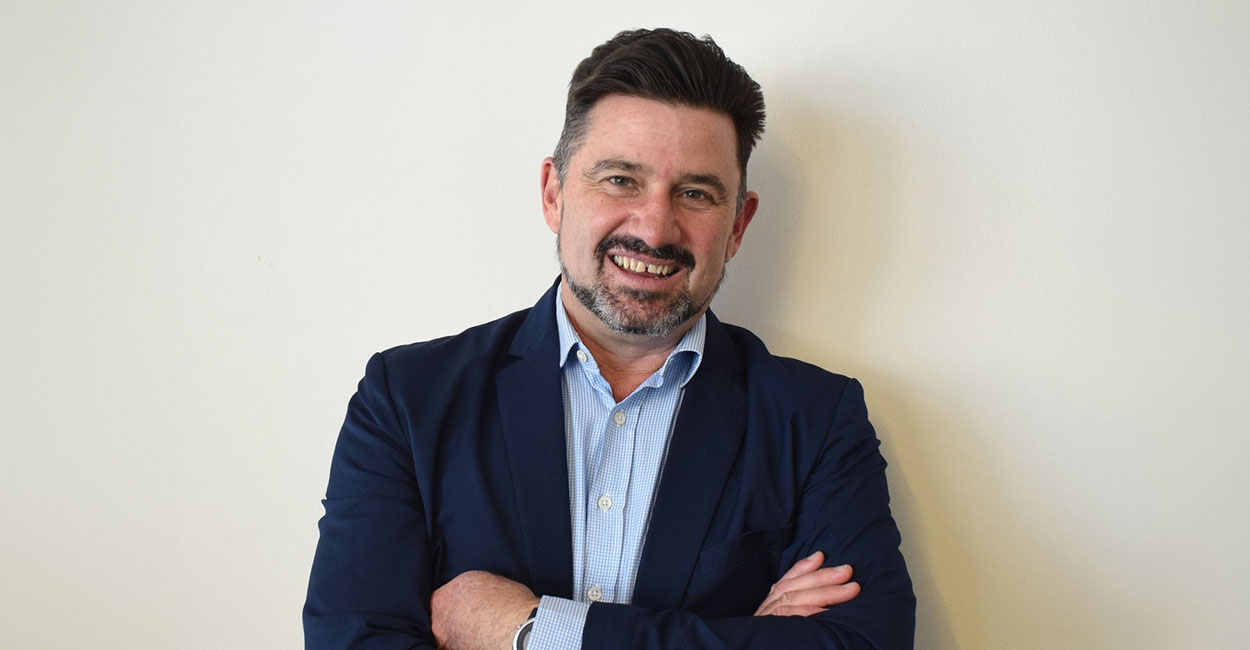
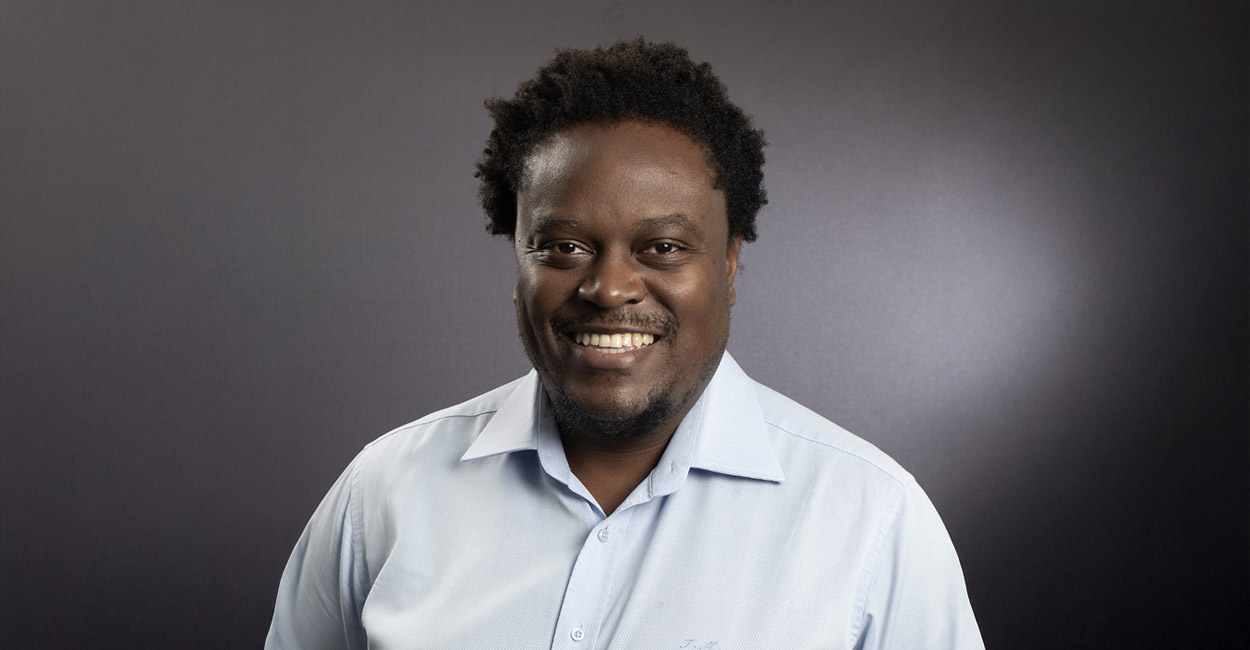
MAIN IMAGE: Theo Mseka, CEO of Private Property
Advertorial
As SA struggles to fix its broken economy amid disagreements among the political powers within the Government of National Unity (GNU), and with new fiscal gaps emerging from the impacts of USA government withdrawal of aid and the imposition of higher tariffs, it is natural to assume that SA will look elsewhere for its trade alliances, which in turn may stimulate foreign investment into residential properties.
There is a distinct alignment between trade and the residential property market. The interconnections depend on economic activity, the creation of jobs, and increasing incomes. This also drives urbanisation and population shifts, increasing the demand for residential properties. In addition, international trade attracts foreign investment, of which real estate is proven to be a safe and profitable investment.
G20 and BRICS potential
Conversely, global trade tensions disrupt trade and thereby negatively impact real estate, as we witnessed in the 2018 US-China trade war, which led to market volatility and uncertainty. Both countries’ real estate markets were affected, and the latest spat between the two most powerful economies in the world, along with tensions between the EU and the US, could cause investors to seek more stable real estate acquisition elsewhere. Could this be an opportunity for South Africa to forge stronger trade ties with existing alliances, such as the G20 (19 countries) and BRICS (10 countries with nine partner countries)?
From a G20 perspective, a recent Knight Frank Wealth Report confirms that every G20 nation has failed to meet its annual housing target for the past five years, resulting in growth in house prices and rents, which, of course, stretches affordability. And, three countries that are also members of BRICS, namely China, India, and South Africa, have seen declines in real residential property prices, according to the Bank for International Settlements. China has the largest decline at -14%, India at -11%, and South Africa at -9%.
The US, after China, is SA’s largest trading partner, which means, says SA’s BRICS Business Council member, Dr Stravos Nicolaou, that it is not in SA’s economic interest to be dismissive of US policies. “We also need to trade with the East, South, and West, and attract investment from all three of those regions, but nor can we be dismissive of the opportunities that reside within BRICS.
“The size of BRICS’ GDP is bigger than that of the G7 at the moment, which says to me that herein lie opportunities. In order to achieve this, SA has to take a non-aligned stance. India does this really well: it trades with Russia and the US, for example. No one is saying that trade must stop between SA and the USA, in fact, we should be looking to grow it”
“What we have to do, given the geo-strategic and tectonic trade shifts we’ve seen in recent weeks, is do a trade deal with the US, especially if AGOA is diluted and not reauthorised in September.”
AGOA membership cancellation impact
The African Growth and Opportunity Act (AGOA) is a preferential trade programme that allows eligible sub-Saharan African countries duty-free access to the US market, and for SA, this applies to goods such as vehicles, citrus, and wine. However, AGOA may not be in play after September if the US decides not to renew SA’s eligibility due to lobbying by powerful US industries that claim SA has some unfair trade practices, and that it is not a ‘least-developed’ country, but a middle-income nation.
FDI into SA property as a result may also feel an indirect ripple effect of an AGOA disqualification, as it impacts the broader SA economy. This, however, applies more to the mid-range property market, and not the luxury end, which is where the magic lies and much of that may lie within the BRICS.
BRICS luxury property market
Last year, the demand by high net worth individuals from the BRICS pushed the luxury home market to all-time highs, claims Geoff De Weaver, CEO of Limitless USA LLC. “Forget stuffy tradition. BRICS buyers are injecting fresh energy into the luxury market, demanding sustainable, tech-savvy homes that reflect their cultural values.” Chinese investors were among the largest and most high-profile real estate purchasers, pouring billions into US properties and gaining a foothold in the US luxury market. They did so because, at the time, the US offered a stable political environment and a robust legal system.
Indian and Brazilian investors, on the other hand, were driven to buy US real estate because of the booming tech sector and capitalising on the relative affordability and safety of US properties compared to their own domestic markets. Brazil has struggled with inflation and political instability, and India faces challenges related to property rights and taxation.
Even Russia stepped into the real estate potential of the US for protection from the volatility of the Russian ruble and other economic challenges, De Weaver points out. “For these buyers, the location is just as important as the property itself, and they are willing to pay a premium for homes that offer unparalleled views, privacy, and access to the best that the world has to offer.”
He also pointed out in his blog that “the growing influence of BRICS nations in global luxury real estate is not without its consequences. As BRICS buyers and developers become more prominent, they are reshaping market dynamics, creating increased competition for prime properties and driving innovation in luxury developments.”
SA’s luxury market potential
SA has a large number of luxury properties and developments, as Nicolaou points out: “Bear in mind that we have properties valued at US$94-million, especially in the Cape. Tourism is going to be catalytic in attracting global HNWI property investors. SA is very focused on this.
“In the same way that Saudi Arabia, is attracting tourists – exceeding some 100-million a year – and especially from the East, SA also needs to attract tourists from India and China, as these nations have grown in their wealth status. They have hugely mobile populations, both the wealthy and the middle-class, who may consider buying property here, because yes we do have some of the most affordable properties in the world, in a beautiful environment. In many cases these property Investors will also invest in business in the country. We need to capitalise on that.”
The National Association of Realtors (NAR) in America is reporting that its confidence index has dropped recently, given tariff concerns and recession fears. That the US will feel the weight of Trump’s broader policies on the real estate market is in no doubt. Where will buyers turn and who will they be?
The Frank Knight Wealth report says that real estate is topping the luxury asset list (29,8%) for the next generation, who are focused on high-end real estate, so it’s evident that SA needs to start marketing its prime real estate to this generation.
“This is a chance for us to encourage FDI into SA real estate,” says Niolaou, “especially among the BRICS, but we also need to fish in all the seas. BRICS certainly has a lot of potential, but economic and trade decisions, and attracting foreign investment have to be anchored in the best economic interest of the country and its people.”
Theo Mseka, CEO of Private Property South Africa, shares, “The evolving trade dynamics within BRICS present a real opportunity for South Africa’s residential property sector,particularly in the luxury and investment segments. AtPrivate Property, we are already seeing growing interest from global investors, and our focus is on ensuring South Africa’s best real estate is visible and accessible to high-net-worth individuals, particularly from markets like India, China and the UAE. With the country offering world-class homes at relatively affordable prices, set in breathtaking locations, we believe South Africa is well-positioned to benefit from shifting global wealth flows. However, real estate does not operate in isolation. Policy stability, investment in infrastructure, and a progressive visa and residency regime will be key enablers. We stand ready to partner with government and industry to ensure that our platforms help tell the South African story – one of resilience, opportunity and lifestyle excellence to a global audience.”