
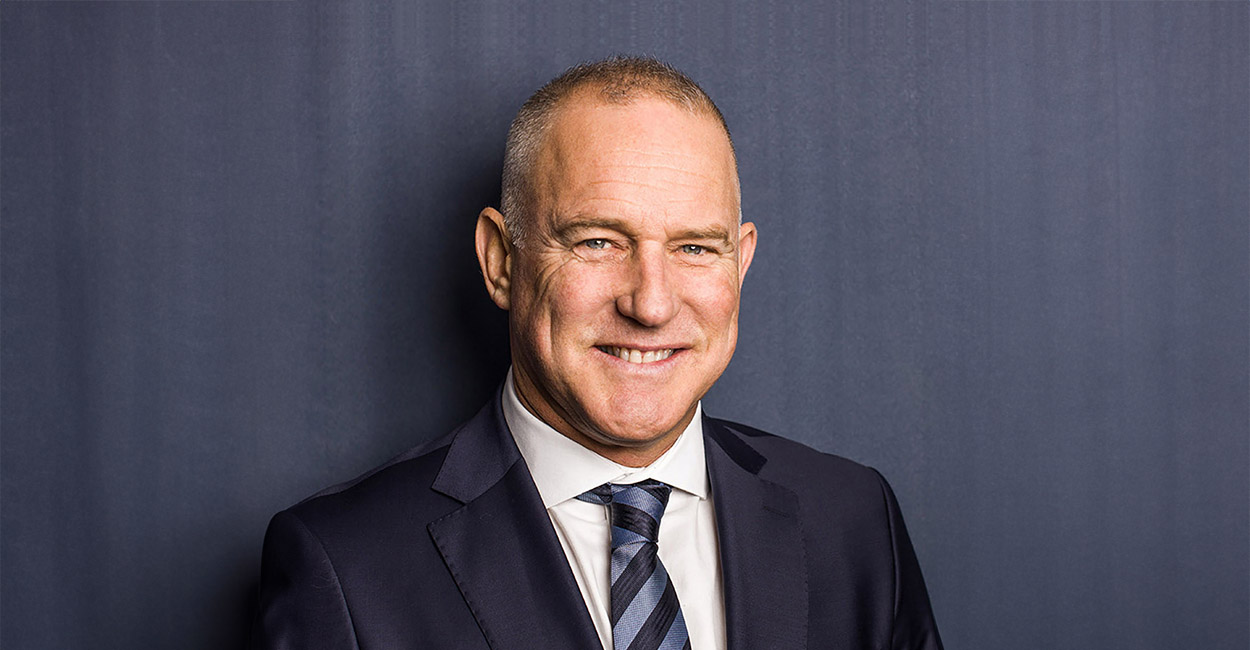
MAIN IMAGE: Bradd Bendall – BetterBond national head of sales
BetterBond
Sectional title sales across South Africa have shown significant growth in recent months, outpacing freehold home sales in many urban areas. For estate agents, this signals an important market shift –
one worth watching closely.
“Affordability and lifestyle changes favouring lock-up-and-go convenience are among the drivers of this trend,” says Bradd Bendall, BetterBond’s national head of sales. “Younger and first-time buyers in particular are drawn to sectional title properties because they are more accessible, require less maintenance and often offer desirable communal amenities.”
A changing market
According to the FNB House Price Index, July marked a key milestone: for the first time post-pandemic, equity values generated by sectional title properties marginally outpaced those of freestanding homes. The cycle of interest rate increases between 2021 and 2023 played a major role in this shift, as buyers sought more “compact, cost-effective housing options,” FNB noted. For agents, this suggests growing appetite for smaller, more affordable properties that meet buyers’ changing lifestyle and financial needs.
Despite the positive change in the prime lending rate since November last year, the sectional title market shows no sign of losing momentum, says Bendall. Lightstone data shows that in August, sectional title inflation nationally was 4.3%, compared to 4.8% for freehold properties. In 2021, the difference was far greater, with sectional title property prices rising by 6.4% while freehold prices increased by only 3.4%.
Growing demand
Developers have been quick to respond to the growing demand for sectional title living. Year-to-date, the supply of new flats and townhouses sold or leased as sectional title properties increased by 13.5%, according to the FNB Index. However, Bendall cautions that supply must keep pace with demand. “In July, the percentage of building plans approved for properties likely to be used as sectional title units dropped by 21.2%, as reported in the FNB Index.” For agents, this creates an opportunity to work more closely with developers to secure new stock as soon as projects come online.
Still, there are pockets of strong growth across the country. In Cape Town’s southern suburbs, for example, there are 14 new development projects in the pipeline, according to Lew Geffen Sotheby’s International Realty. Municipal zoning reforms and the growing push toward higher-density urban housing are further fuelling this expansion.
Who’s buying, and why …
Offering affordability, security and convenience, sectional title properties continue to attract a diverse range of buyers. “Women, who account for 69% of all homeownership solely or jointly with men, according to Lightstone, are significant drivers of this sector of the market,” says Bendall. For younger buyers entering the property market, sectional title developments offer an accessible entry point. Buying off plan in a new development exempts these buyers from paying transfer duty costs. The lock-up-and-go lifestyle also appeals to professionals who travel frequently or commute between provinces for work, he adds. Agents can leverage this demand by tailoring their marketing messages around affordability, lifestyle benefits and long-term value.
…and where?
Gauteng, offering economic opportunities that appeal particularly to younger buyers, dominates the sectional title market, says Bendall. The Western Cape and KwaZulu-Natal also appeal strongly to sectional title buyers. Coastal areas such as Durban and Umhlanga have become sectional title hot spots in this province. With R127 billion worth of investment flowing into Gqeberha in the Eastern Cape, as announced at the Eastern Cape Investment Conference in 2023, the influx of young professionals and families to the city has seen renewed demand for sectional title properties, adds Bendall. For agents, understanding these geographic demand drivers can help identify where new listings or investment opportunities are likely to emerge.
Rising investor confidence
Investors, too, are capitalising on the growing demand for sectional title living. These properties have shown impressive rental returns, with the TPN Residential Gross Yield for sectional title units reaching 10.79% towards the end of 2024.
In high-demand nodes such as Cape Town’s central business district, demand has translated into robust price growth. Median sectional title property prices in the CBD increased by 16.3% in the past year, according to the latest State of Cape Town Central City Report released by the Cape Town Central City Improvement District. By January this year, the average price of a sectional title property in the inner city was R1.85 million, while the total value of new residential buildings in the area is estimated at R2.93 billion.
More than half of the residents in Cape Town’s inner city come from outside the metro, underscoring the strong semigration trend driven by lifestyle and work opportunities.
Agents working with investors or semigrating professionals can use these insights to position sectional title units as high-demand, low-maintenance investment options.
Sustained momentum anticipated
With affordability pressures, urban densification and lifestyle changes all shaping buyer behaviour, sectional title living is set to remain one of the strongest-performing segments of South Africa’s residential property market. “The market dynamics suggest that sectional title properties will continue to attract both end-users and investors who value accessibility, security and the convenience of modern urban living,” concludes Bendall.
For estate agents, this sustained momentum signals ongoing opportunity – from working with developers on new stock to helping first-time buyers and investors secure their ideal sectional title home.